Custom Cars and Enclosed Transport: A Smarter Way Forward
Protecting Custom Vehicles With Secure Enclosed Transportation

Introduction
Custom cars are more than ordinary vehicles. They may feature expensive paintwork, lowered suspension, performance modifications, custom wheels, upgraded interiors, aerodynamic body kits, or rare components that require additional care. When a vehicle has been carefully modified, transporting it safely becomes just as important as maintaining it.
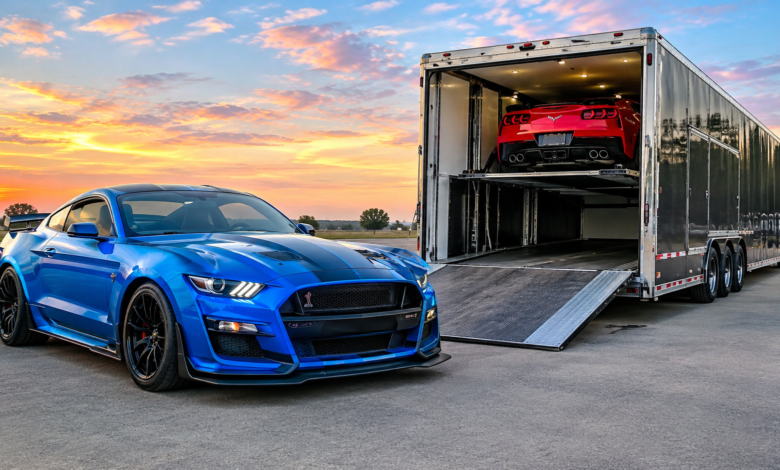
This is where Custom Cars and Enclosed Transport can provide a practical solution. Enclosed transportation places the vehicle inside a protected trailer, helping shield it from weather, road debris, dust, and other external conditions. For owners who have invested significant time and money into a custom vehicle, that additional protection can be especially valuable.
Choosing a transportation company should involve more than simply comparing prices. Vehicle owners should consider carrier experience, loading equipment, insurance arrangements, documentation procedures, delivery options, and the specific requirements of the vehicle. The Federal Motor Carrier Safety Administration (FMCSA) also advises consumers to distinguish between brokers and actual transport carriers and to verify registration information before hiring an interstate auto transporter.
Why Custom Cars Need Specialized Transportation
A standard family vehicle is generally designed for everyday road use. A custom car can be considerably different.
Lower ground clearance, wide wheels, specialized bodywork, expensive finishes, non-standard exhaust systems, modified suspension, and delicate exterior components can make ordinary loading and transportation more complicated.
A vehicle with a very low front splitter, for example, may require special attention when it moves up a ramp. Likewise, custom wheels or tires may require appropriate securing methods. A transporter experienced with specialty vehicles can better understand these considerations before the vehicle is loaded.
Hagerty’s guidance for collector vehicles highlights the importance of selecting a transporter with experience handling specialty cars and notes that enclosed transportation can be particularly suitable for pristine vehicles that owners want protected from weather and road debris.
The Advantages of Enclosed Transport
Protection From Weather
One of the most obvious benefits of an enclosed trailer is protection from the elements.
During a long journey, a vehicle can encounter rain, dust, dirt, road spray, sunlight, and other environmental conditions. A custom vehicle with a carefully maintained finish may be more vulnerable to visible contamination or damage than an everyday commuter car.
Enclosed transportation creates a physical barrier between the vehicle and the outside environment. This makes it an appealing choice for owners transporting restored classics, show cars, luxury vehicles, and heavily customized automobiles.
Reduced Exposure to Road Debris
Road debris is another consideration.
Vehicles traveling on highways encounter small stones, dirt, tire debris, and other materials. Although the risk varies according to conditions and route, keeping a specialty vehicle inside an enclosed trailer reduces its direct exposure.
For a freshly painted custom car, minimizing unnecessary exposure can be an important part of protecting the finish.
Better Privacy
Custom and high-value vehicles can attract attention wherever they travel. An enclosed trailer keeps the vehicle largely out of public view during transportation.
This can be useful for owners who prefer privacy or simply do not want their vehicle visible throughout the journey.
Suitable for Low-Clearance Vehicles
Many modified cars sit lower than their factory counterparts. Lowered suspension, front splitters, side skirts, and other modifications can create loading challenges.
Some specialty carriers offer equipment designed to make loading and unloading easier. Hagerty has specifically noted the value of enclosed carriers equipped with liftgate-style loading systems for collector vehicles because they can reduce problems associated with steep ramps.
Custom Cars and Enclosed Transport: What Owners Should Consider
Not every custom car has the same transportation requirements. Before booking a shipment, owners should evaluate the vehicle carefully.
Ground Clearance
Measure the lowest point of the vehicle and discuss it with the transporter.
This is particularly important for cars with:
- Lowered suspension
- Front splitters
- Side skirts
- Large exhaust components
- Custom bumpers
- Air suspension
- Specialized underbody components
Providing accurate measurements can help the carrier determine whether its equipment is appropriate.
Vehicle Condition
The transporter should know whether the vehicle runs and drives normally.
If the car does not start, has steering problems, has braking issues, or cannot roll freely, specialized loading equipment may be required.
Owners should explain these conditions before pickup rather than waiting until the driver arrives.
Custom Accessories
Custom cars may contain detachable or delicate components.
Owners should identify accessories that could become loose during transportation. Mirrors, spoilers, antennas, removable trim, special luggage, and other loose items should be secured or removed when appropriate.
Preparing a Custom Car for Enclosed Transport
Proper preparation can make the transportation process smoother.
Clean the Vehicle
Start with a clean exterior. Cleaning makes it easier to inspect the paint and identify existing scratches, dents, chips, or other imperfections.
The interior should also be checked for loose belongings and accessories.
Photograph the Vehicle
Take clear photographs before the vehicle is loaded.
Capture the front, rear, both sides, wheels, windows, roof, interior, and any existing imperfections. For especially valuable vehicles, detailed documentation can provide a useful condition record.
Hagerty recommends photographing a vehicle before transportation so its condition can be compared when it arrives at the destination.
Check Tire Pressure
Properly inflated tires can help with loading and unloading and may make the vehicle easier for the transporter to handle.
Owners should follow the vehicle manufacturer’s specifications rather than guessing at the appropriate pressure.
Check for Leaks
Inspect the vehicle for obvious fluid leaks before pickup.
If there is an existing mechanical problem, inform the transporter. This allows the carrier to prepare appropriately and can prevent confusion during loading or delivery.
Remove Personal Belongings
The passenger compartment should generally be cleared of unnecessary personal possessions.
This reduces the chance of items moving around during transportation and makes the vehicle easier to inspect.
Choosing the Right Enclosed Transport Company
The transporter matters as much as the trailer.
A modern enclosed trailer cannot compensate for poor communication, inexperienced handling, or unclear insurance arrangements.
Verify Registration
For interstate transportation in the United States, FMCSA advises consumers to verify the registration of auto transporters and brokers. The agency also recommends checking the company’s MC Docket information and understanding whether the business is a broker or an actual carrier.
This distinction matters because a broker may arrange transportation while another company physically moves the vehicle.
Ask About Specialty Vehicle Experience
Ask whether the company regularly transports:
- Custom cars
- Classic cars
- Exotic vehicles
- Luxury automobiles
- Restored vehicles
- Low-clearance vehicles
- Non-running vehicles
Experience with similar vehicles can help the transporter understand the practical challenges involved.
Discuss Loading Equipment
Ask what type of loading system the carrier uses.
For a low custom car, a transporter may need equipment or procedures that reduce the approach angle. Liftgate-equipped enclosed carriers are one option used in specialty transportation.
Understand Insurance
Do not assume that every type of vehicle damage will automatically be covered in the way you expect.
Ask the carrier for information about its insurance coverage and understand the terms before signing an agreement. Owners of valuable custom vehicles may also want to discuss transportation coverage with their own insurer.
FMCSA publishes insurance-related requirements for regulated motor carriers, but the exact protection available for a particular vehicle depends on the carrier, shipment, policy terms, and applicable circumstances.
Enclosed Transport vs. Open Transport
Open transportation is commonly used because it can be less expensive and widely available. However, it leaves the vehicle exposed to outdoor conditions.
Enclosed transportation generally costs more because it provides a protected environment and is often associated with specialty vehicle handling.
For a normal daily driver, the additional protection of an enclosed trailer may not always be necessary. For a freshly restored classic, high-end custom build, show vehicle, or specialty automobile, the additional protection can make more sense.
Hagerty similarly describes enclosed shipping as a strong option for pristine vehicles where protection from weather and road debris is important.
The decision ultimately depends on the vehicle’s value, condition, modifications, route, budget, and owner’s priorities.
Loading Is One of the Most Important Steps
Transportation does not begin when the truck reaches the highway. It begins during loading.
A poorly managed loading process can create unnecessary risks, especially when a vehicle has low ground clearance.
The driver should understand the vehicle’s dimensions and special requirements before moving it into the trailer. Owners should clearly communicate unusual features, including lowered suspension, custom spoilers, special parking-brake procedures, or other mechanical characteristics.
Specialized transport guidance also recommends using appropriate wheel straps or nets and taking additional care with classic and exotic vehicles.
Delivery and Final Inspection
The process should not end when the trailer arrives.
Before accepting delivery, inspect the vehicle carefully in good lighting when possible. Compare the vehicle with the photographs taken before pickup.
Check:
- Paintwork
- Wheels
- Tires
- Glass
- Body panels
- Mirrors
- Spoilers
- Interior
- Custom accessories
If there is an apparent issue, document it immediately and follow the carrier’s claim procedure.
Keeping photographs and transportation documents organized can make it easier to establish the vehicle’s condition before and after shipment.
Why Planning Ahead Matters
Custom cars often require more planning than ordinary vehicles.
Owners should not wait until the day before a major move to contact a transporter. Early planning provides time to discuss vehicle measurements, loading requirements, pickup locations, insurance questions, delivery expectations, and special equipment.
Planning is particularly important around automotive events, auctions, shows, and seasonal travel periods when specialty transportation demand may increase.
Questions to Ask Before Booking
Before choosing a company for Custom Cars and Enclosed Transport, consider asking:
- Are you the carrier or a transportation broker?
- Are you registered with the appropriate regulatory authority?
- Do you regularly transport custom or specialty vehicles?
- Can your trailer accommodate my vehicle’s height and width?
- How do you handle low-clearance vehicles?
- What loading equipment do you use?
- What insurance coverage applies during transportation?
- What documentation is required before pickup?
- How will the vehicle’s condition be recorded?
- What happens if the vehicle is delayed?
- What is the expected pickup and delivery process?
- Are there additional charges for non-running or modified vehicles?
Getting clear answers before booking can reduce misunderstandings later.
The Value of Specialized Care
A custom vehicle represents more than transportation from one location to another. It may represent years of work, thousands of dollars in modifications, personal creativity, or significant sentimental value.
That makes transportation planning an important part of vehicle ownership.
An enclosed trailer can provide protection from weather, road debris, and public exposure, while specialized equipment and experienced handling can address challenges associated with modified vehicles.
At the same time, owners should remember that enclosed transportation is not automatically a guarantee against every possible problem. Careful carrier selection, proper preparation, condition documentation, and clear communication remain essential.
Conclusion
Custom Cars and Enclosed Transport work well together when vehicle protection is a priority. Enclosed carriers can provide a controlled and protected environment for custom, classic, luxury, exotic, and specialty automobiles, particularly when the vehicle has valuable finishes or modifications that make ordinary transportation less suitable.
The best preparation begins before the transporter arrives. Document the vehicle’s condition, explain its modifications, check its dimensions, understand insurance arrangements, verify the carrier or broker, and ask detailed questions about loading and delivery.
For owners who have invested heavily in creating a unique vehicle, transportation deserves the same level of attention as the build itself. With thoughtful preparation and an experienced transportation provider, moving a custom car can become a planned part of the ownership experience rather than an unnecessary source of worry.




